Introduction
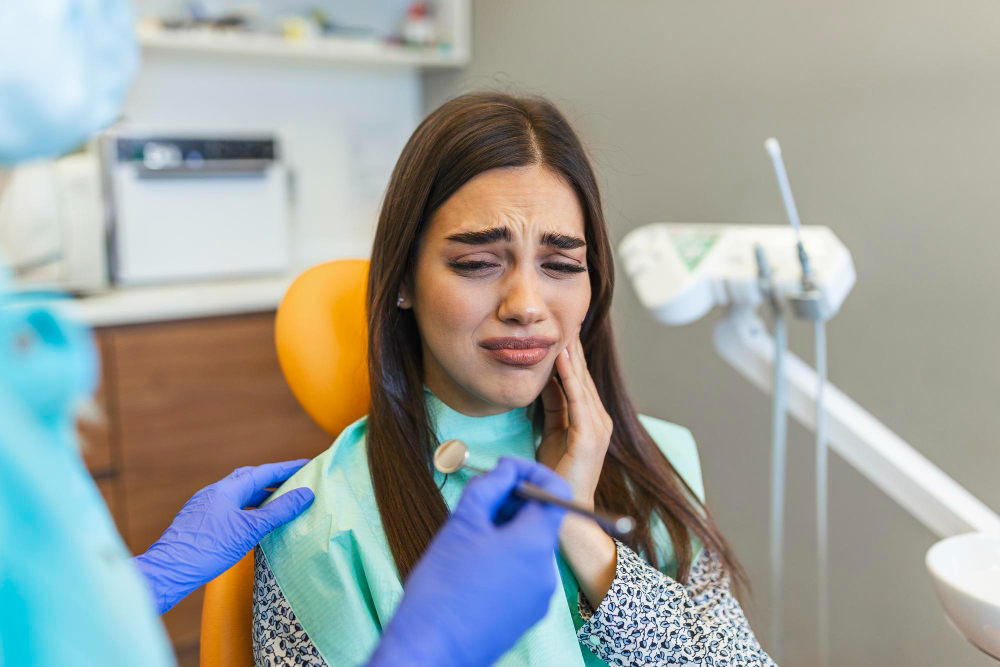
A root canal is a dental procedure that removes infected or damaged tissue from inside your tooth. Many people expect pain to stop soon after treatment. However, some still ask, “why does my tooth still hurt after a root canal?” This is a common concern. Sometimes, pain can linger for days or even weeks. In this blog, we will explain why pain may continue and what you can do about it.
Common Causes of Pain After a Root Canal
Although root canals are meant to relieve pain, discomfort can still happen. Several reasons may explain why your tooth hurts after a root canal:
As you can see, there are many possible reasons for post-root canal pain. Each cause may need a different solution.
Symptoms to Watch For
After a root canal, you may feel some discomfort. However, certain symptoms can signal a problem. For example, you should watch for:
If you notice these signs, it may mean infection or another issue. Early action can help prevent more serious problems.
Diagnosis: When to Seek Help
Sometimes, mild pain is normal after a root canal. But if pain lasts more than a week, you should contact your dentist. Additionally, if you have swelling, fever, or trouble opening your mouth, seek help right away. Your dentist may take X-rays or examine your tooth to find the cause. Quick diagnosis can lead to faster relief.
Treatment Options and What to Expect
Treatment depends on the cause of your pain. For example, if infection is present, your dentist may prescribe antibiotics. If a missed canal is found, you may need another root canal. Sometimes, a high filling is adjusted to fix your bite. In rare cases, surgery or tooth removal may be needed. Most people feel better after the right treatment. Your dentist will explain your options and what to expect during recovery.
Prevention and Aftercare Tips
Good care after a root canal can help prevent pain. Here are some tips:
With proper care, most people heal well after a root canal.
When to Contact Your Dentist
Although mild pain is common, you should contact your dentist if:
Early care can prevent bigger problems. Your dentist is your best resource for dental pain after treatment.
In summary, pain after a root canal can have many causes. However, most problems can be treated. If you are worried about your tooth, consult Dr. Hitesh Malviya for personalized advice and care.