What Are Dental Implants?
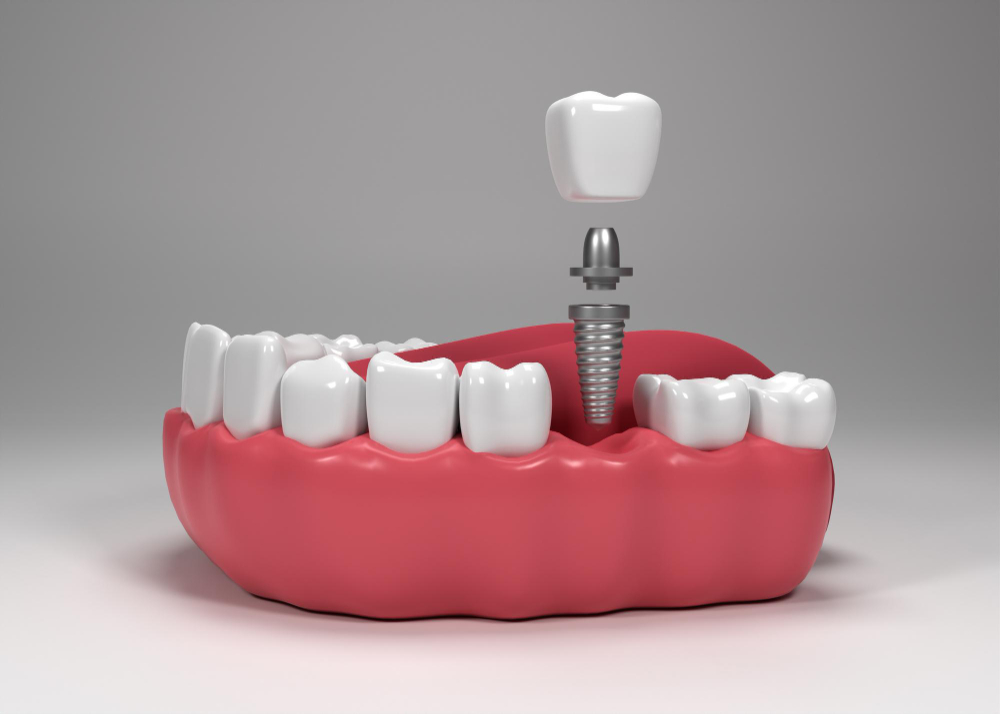
Dental implants are strong, artificial tooth roots. Dentists use them to replace missing teeth. When a tooth cannot be saved, dental implants offer a permanent tooth replacement. They look and feel like natural teeth. In fact, many people choose dental implants because they are a long-lasting solution. Unlike dentures, implants stay fixed in your mouth. This means you can eat, speak, and smile with confidence.
When Is a Tooth Beyond Saving?
Sometimes, a tooth is too damaged to repair. For example, severe decay or injury can make saving the tooth impossible. In other cases, gum disease may weaken the bone around a tooth. If a tooth is loose or causes pain, your dentist may suggest removal. After removal, dental implants can fill the gap. This helps prevent problems with chewing and keeps your other teeth in place.
Benefits of Dental Implants
Dental implants offer many advantages over other missing tooth solutions. For instance, they are stable and do not slip like dentures. Here are some key benefits:
Because implants are permanent, you do not need to remove them for cleaning. This makes daily care easy and simple.
The Dental Implant Procedure: Step by Step
The dental implant procedure happens in several steps. First, your dentist checks your mouth and takes X-rays. Next, they place a small metal post in your jawbone. This post acts as the new tooth root. Over the next few months, your bone grows around the post. After healing, the dentist attaches a connector and then a custom-made crown. This crown looks just like your other teeth. The whole process can take a few months, but the results are worth it.
Who Is a Good Candidate?
Not everyone can get dental implants. However, most healthy adults are good candidates. You may be a good fit if you:
Even if you have some bone loss, your dentist may suggest bone grafting. This can help make implants possible for more people.
Risks and Considerations
Like any surgery, dental implants have some risks. For example, infection, pain, or swelling may occur. Rarely, the implant may not bond with the bone. However, most people have no serious problems. Your dentist will explain all risks before starting the dental implant procedure. Following aftercare instructions can lower your risk of issues.
Aftercare and Recovery
After getting dental implants, proper care is important. For the first few days, you may feel some discomfort. However, this usually goes away quickly. To help healing, follow these tips:
With good care, dental implant recovery is smooth for most people. The CDC and dental experts agree that implants are safe and effective for tooth replacement.
Prevention: Protecting Your Natural Teeth
Although dental implants are a great option, keeping your natural teeth is best. To protect your teeth:
By caring for your teeth, you can avoid the need for permanent tooth replacement in the future.
Frequently Asked Questions
If you have more questions, your dentist can help. They can explain if dental implants are the right missing tooth solution for you.
Consult a dental specialist at Malviya Dental Speciality to find out if dental implants are right for you.