What Is Dental Trauma?
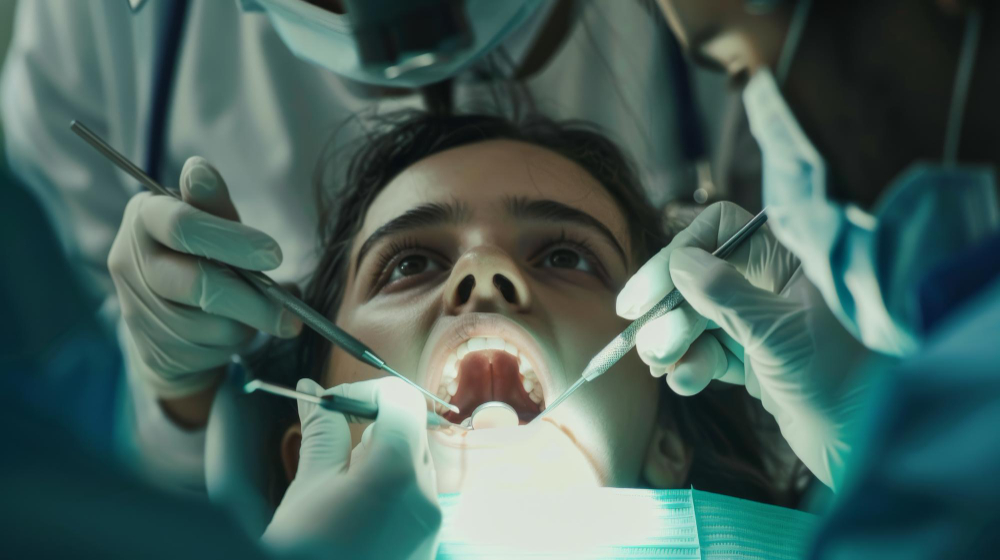
Dental trauma means an injury to your teeth or mouth. Often, it happens suddenly. For example, a fall or a sports accident can cause dental trauma. Sometimes, a tooth gets knocked out. This is called an avulsed tooth. Dental trauma can be painful and scary. However, quick action can help save your tooth. Many people wonder if a knocked-out tooth can really be reimplanted. Let’s explore the facts.
Common Causes of Knocked-Out Teeth
Many things can cause a tooth to get knocked out. Some of the most common causes include:
Because accidents can happen anywhere, it is important to know what to do if a tooth gets knocked out.
Immediate Steps to Take After a Tooth Is Knocked Out
Acting fast can make a big difference. If your tooth is knocked out, follow these steps right away:
Quick action gives the best chance for tooth reimplantation. According to the American Association of Endodontists, getting to a dentist within 30 minutes is ideal.
Can a Knocked-Out Tooth Be Reimplanted?
Yes, a knocked-out tooth can often be reimplanted. However, time is critical. The sooner you act, the better the chances. If the tooth is handled gently and kept moist, dentists can sometimes save it. But, if the tooth dries out or is damaged, reimplantation may not work. For children, baby teeth are usually not reimplanted. In adults and older children, reimplantation is more common.
How Dentists Reimplant Teeth: Diagnosis and Procedure
Once you reach the dental office, the dentist will:
After the procedure, you may need follow-up visits. Sometimes, a root canal is needed later. Dentists follow guidelines from groups like the International Association of Dental Traumatology to ensure the best care.
Success Rates and Factors Affecting Reimplantation
Many factors affect the success of tooth reimplantation. For example:
According to dental studies, teeth reimplanted within one hour have the highest survival rates. However, even after reimplantation, the tooth may need extra care in the future.
Prevention Tips for Dental Trauma
While accidents can happen, you can lower your risk. Here are some tips to prevent dental injuries:
By taking these steps, you can help protect your smile.
When to See a Dentist
If you experience dental trauma, see a dentist right away. Even if the tooth is not knocked out, pain or loose teeth need quick care. Emergency dental care can make a big difference. Remember, acting fast improves your chances of saving your tooth.
If you experience dental trauma, consult Dr. Hitesh Malviya immediately for the best chance of saving your tooth.